
(Part 6 of Assisted Living Comparison Series)
When choosing the right assisted living facility for a loved one, the dining experience often doesn’t get the spotlight it deserves, but it should. After all, nutrition, meal variety, and the joy of shared dining directly impact a resident’s quality of life. In Part 6 of our Assisted Living Comparison Guide, we focus on a vital but often overlooked aspect: meal quality. From dietary needs to food freshness and the atmosphere of mealtime, this article will help you evaluate whether a facility’s menu truly nourishes both the body and spirit.
Missed earlier parts of our series? Catch up here:
- Part 1: How to Tell if an Assisted Living Facility Feels Like Home
- Part 2: Assessing Social Engagement – Do Residents Stay Active & Happy?
- Part 3: Essential Safety Features in Assisted Living – What to Look For
- Part 4: Understanding Staff-to-Resident Ratios – Why It Matters
- Part 5: Breaking Down Assisted Living Costs
Why Meal Quality Deserves More Attention
Mealtimes are more than just routine—they’re moments of comfort, community, and well-being. A nutritious, tasty, and personalized meal plan can:
- Boost overall health and energy levels
- Help manage chronic conditions like diabetes or hypertension
- Offer emotional satisfaction and joy through familiar or favorite foods
- Encourage social bonding and reduce feelings of isolation
In contrast, poorly planned or monotonous meals can lead to malnutrition, disinterest in eating, or a decline in mood and cognitive function.
What to Look for When Evaluating Meals
Here are key areas to assess when it comes to meal quality in an assisted living facility:
1. Menu Variety & Customization
Ask to review a sample menu for the week or month. Check for:
- Daily variety with options for each meal
- Seasonal ingredients and culturally familiar dishes
- Vegetarian, vegan, gluten-free, and allergy-conscious options
Pro tip: Ask how often the menu rotates and if residents can make special requests.
2. Nutrition & Special Diets
Speak with staff about how they accommodate:
- Low-sodium or diabetic-friendly diets
- Texture-modified meals (pureed, soft foods)
- Individual nutrition plans based on a doctor’s or dietitian’s recommendations
- Facilities that involve a registered dietitian in menu planning typically provide better-balanced meals.
3. Meal Presentation & Portion Sizes
Well-plated meals aren’t just for show—they enhance appetite and dignity. During a visit, observe:
- How meals are presented
- Whether portions seem appropriate and adjustable
- If residents are allowed second helpings or snack options
4. Dining Atmosphere
Mealtime should feel inviting and communal. Pay attention to:
- Dining room cleanliness and comfort
- Whether staff assist residents with mobility or feeding as needed
- Background music, lighting, and social dynamics
- Shared meals in a cheerful space can significantly lift spirits and promote social connection.
5. Resident Feedback
Don’t hesitate to speak with current residents or families:
- “Do you like the food here?”
- “Are you given choices at mealtime?”
- “How are special occasions or holidays celebrated?”
Positive feedback is a great sign. If possible, schedule your tour during a mealtime to see firsthand.
Red Flags to Watch For
While many facilities put real care into their dining programs, here are warning signs that may indicate issues:
- Repetitive or bland menus with little variety
- Lack of accommodations for allergies or special diets
- Cold or poorly presented food
- Residents eating alone without support or interaction
- Reports of weight loss, skipped meals, or dissatisfaction
Questions to Ask the Facility
Here are some key questions to ask during your tour or evaluation:
- “Who is responsible for meal planning and nutrition?”
- “Can residents choose when and where to eat?”
- “How do you accommodate dietary restrictions?”
- “Are snacks or refreshments available throughout the day?”
- “Do you celebrate holidays or special events with themed meals?”
How Two Hearts Makes Mealtime Meaningful
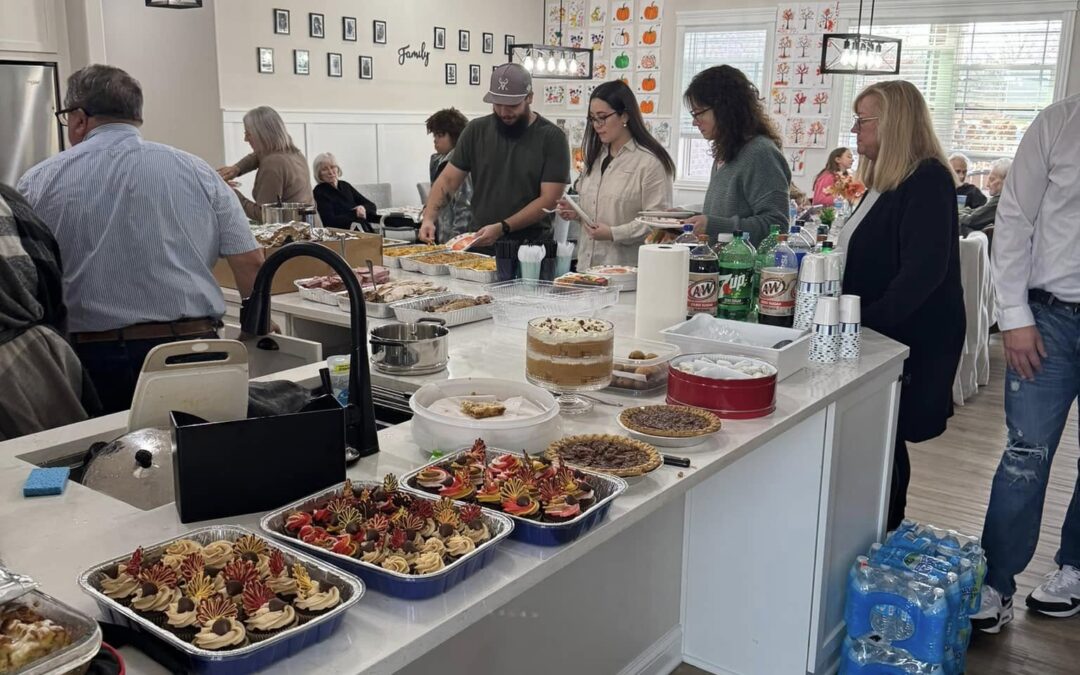
At Two Hearts Homes for Seniors, mealtime is more than nourishment—it’s an experience. Our menus are crafted with fresh, high-quality ingredients and designed to reflect the preferences and needs of each resident. From homestyle breakfasts to comforting holiday dinners, we believe every meal should feel like home.
We provide:
- Personalized meal planning with input from families
- Cozy dining spaces that encourage social connection
- Special themed dinners and birthday celebrations
- Flexible meal times and assistance for residents who need help eating
Want to know what else sets us apart? Download our Assisted Living Comparison Checklist to guide your visit.
Final Thoughts: Don’t Overlook the Menu
It’s easy to focus on cost, care, and safety when comparing assisted living options—but don’t underestimate the role of food. The right dining experience can elevate daily living, improve health, and bring joy to your loved one’s routine. As you evaluate facilities, be sure to tour the dining area, review sample menus, and speak with residents about their mealtime experiences.
For a structured approach to making informed decisions, check out our helpful guide: Compare Assisted Living Like a Pro