
Selling House to Pay for Assisted Living

Why Families Consider Selling a Home for Senior Care
As seniors age, the upkeep of a house can become overwhelming—and costly. At the same time, assisted living offers a safe, supportive, and enriching environment where seniors receive the help they need with daily tasks, meals, and health monitoring.
Selling a home can serve as a valuable solution to:
- Unlock home equity built over years
- Eliminate maintenance costs and property taxes
- Cover monthly assisted living fees without dipping into savings or retirement funds
- Reduce stress for family caregivers balancing financial and caregiving responsibilities
If your loved one no longer needs to live independently or maintaining their home is a burden, selling the property may be the next best step toward securing their comfort and care.
Why families choose Two Hearts

Residential-scale homes, not institutions

Locally owned & family operated


Memory care
Key Considerations Before Selling a House
Selling a home to fund assisted living care requires thoughtful planning. Before putting a home on the market, families should consider:
Ownership and Legal Authority
Make sure the home is legally owned by the senior or by a family member with Power of Attorney.
Involving Trusted Advisors
Engage a financial advisor, elder law attorney, or estate planner to help navigate legal, tax, and inheritance matters.
Tax Implications
In many cases, profits from a home sale are exempt from capital gains taxes, but it’s wise to double-check the rules, especially if the house is in a trust or jointly owned.
Timing and Real Estate Market
Assess whether it’s a favorable time to sell. A reputable local real estate agent can help maximize the home’s value.
Other Options
In some cases, renting out the home or considering a reverse mortgage may be worth exploring.
These conversations are not always easy, but they’re essential to ensuring the transition to assisted living is smooth and financially sound.
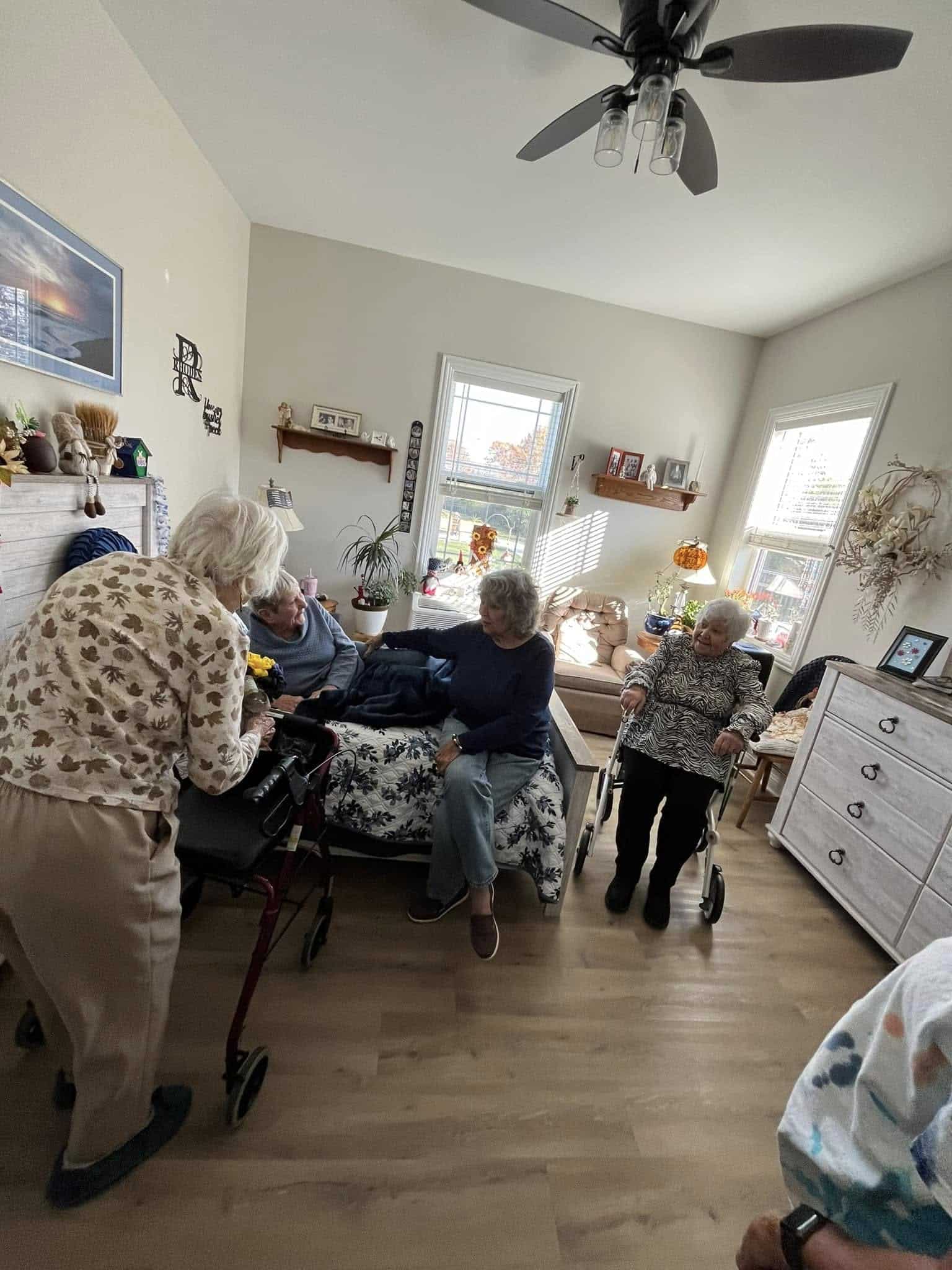
Using Home Sale Proceeds for Assisted Living Costs
- Pay a portion or all of the monthly assisted living fees upfront
- Set aside funds in a dedicated account or trust to manage future payments
- Combine proceeds with long-term care insurance or pensions for a more flexible payment plan
Guiding families with care, comfort, and support
How Two Hearts Homes Supports
Families Through the Transition
We take the time to listen to your concerns, answer your questions, and explain the costs of assisted living.
2. Flexible Payment Options
Whether you need short-term flexibility while the home sells or guidance on structuring long-term payments, we’re here to work with you.
3. Local Referrals
Need a trustworthy real estate agent or elder law professional in Crown Point or Lowell?
We’ve partnered with local experts who understand the unique needs of families transitioning into senior care.
“Our home is not just a place—it’s a community built on kindness, comfort, and respect. Let’s talk about how we can make this move a positive one for your loved one.”

Alternatives to Selling a House Immediately
Selling the home isn’t always the only path. Depending on your family’s financial situation and goals, consider these alternatives:
- Bridge Loans: Short-term loans that provide funding while waiting for the home to sell.
- Renting Out the Property: Use rental income to cover assisted living costs while retaining ownership.
- Reverse Mortgages: For seniors still living in the home temporarily, this can free up cash without selling.
- Medicaid Spend-Down Strategies: In specific cases, families may restructure assets to meet Medicaid eligibility for long-term care.
These options come with pros and cons, so it’s important to consult with a financial expert before making a decision.
Have questions about costs, home sales, or care options? We’re here to help—just give us a call.
Take the Next Step With Two Hearts Homes for Seniors
We serve families throughout Crown Point and Lowell, Indiana—and we’d be honored to support yours.