
Senior Care Homes in Indiana: A Comfortable, Personalized Assisted Living Experience
Many older adults dream of aging in place—remaining in the comfort of their own home or community. In fact, a survey by the AARP Public Policy Institute reveals that this is the top preference for most seniors. However, declining health, safety risks, and daily care needs can make independent living difficult, even dangerous.
That’s where senior care homes and residential assisted living communities step in.
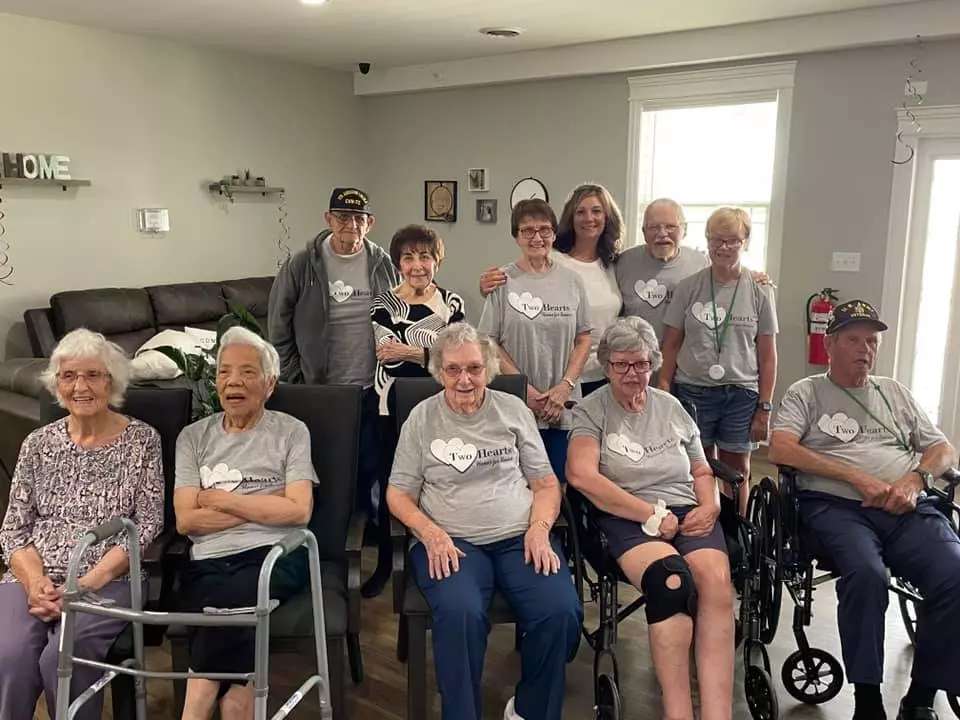
At Two Hearts Homes for Seniors in Indiana, we offer more than just care—we offer a warm, home-like environment where each resident is treated like family. Our personalized approach ensures that seniors receive the comfort, companionship, and 24/7 support they need, without the institutional feel of large facilities.
But why choose a residential care home over a traditional senior living community? Let’s explore the difference and why families across Indiana are choosing Two Hearts for their loved ones’ next chapter.

What Are Residential Care Homes?
Residential care homes, also known as board and care homes, are private residences that provide housing, meals, and personal care services for a small group of seniors. Unlike large institutional facilities, these homes are located in quiet residential neighborhoods and offer a more intimate, homelike environment.
At Two Hearts Homes for Seniors Assisted Living, we welcome a maximum of 16 residents, ensuring each individual receives the attention, dignity, and companionship they deserve. With a caregiver-to-resident ratio of 1:6, we provide more personalized support than many traditional board and care homes or larger senior care facilities.
Our highly trained, compassionate team is available 24/7 to assist with daily living activities, medication reminders, and personal care. This smaller setting allows us to create strong bonds with our residents, fostering a sense of family and comfort that’s often missing in larger communities.
- Virtual tour at Two Hearts Homes for Seniors
Different Levels of Senior Care: Choosing the Right Fit
Choosing the right senior care home starts with understanding your loved one’s unique needs. From minimal support to full-time medical care, senior care services come in different levels, each designed to address specific challenges that come with aging.
Before selecting an assisted living facility, it’s important to assess your loved one’s daily needs, medical conditions, and desired level of independence. Here’s a closer look at the most common types of senior care:

Independent Living – For Active, Self-Sufficient Seniors
Independent living is ideal for seniors who are active, mobile, and do not require daily medical assistance. These communities offer maintenance-free living, social activities, and a safe environment—without the burden of home upkeep. It’s a great option for older adults who want a sense of community while preserving their freedom.
Assisted Living – Support for Daily Living Activities
Assisted living bridges the gap between independent living and full-time nursing care. It’s best for seniors who need help with activities of daily living (ADLs) such as bathing, dressing, or medication reminders, but still value their independence. At Two Hearts, we specialize in personalized assisted living with a home-like touch.
Memory Care – Specialized Support for Cognitive Conditions
Memory care is designed for seniors living with Alzheimer’s, dementia, or other cognitive impairments. These secure environments provide specialized programming, structured routines, and trained staff who understand the emotional and behavioral needs of memory care residents. Compassion and consistency are key components of this type of care.
Nursing Care – Advanced Medical Assistance Around the Clock
For seniors with chronic medical conditions or those recovering from illness or surgery, nursing care offers continuous access to licensed nurses and clinical staff. This level of care typically includes skilled medical treatments, rehabilitation services, and regular physician oversight, making it more suited to hospital-like or skilled nursing facilities.

What’s The Difference Between A Senior Care Home Facility And A Residential Care Home?
While senior care home facilities and residential care homes both provide essential support for aging adults, the biggest difference lies in their size, setting, and level of personalization.
Residential care homes like Two Hearts Homes for Seniors offer a more intimate environment, typically housing no more than 10 to 20 residents. In contrast, larger assisted living facilities may serve hundreds of seniors at once, often feeling more institutional than home-like.
For seniors who are more reserved or anxious in big groups, the quieter setting of a residential care home provides a comforting alternative. Here, every resident receives more individualized attention, stronger relationships with caregivers, and a greater sense of belonging.
Residential care homes are also nestled within local residential neighborhoods, allowing seniors to remain part of a familiar community. Whether it’s chatting with neighbors, enjoying walks in the area, or simply feeling “at home,” this setting supports a more normal, socially connected lifestyle than larger facilities often can.
Benefits of Residential Care Homes for Seniors
Residential care homes offer a unique blend of personalized care, comfort, and community, something many larger senior living facilities struggle to match. With smaller resident groups, homelike settings, and dedicated caregivers, they provide an ideal environment for aging with dignity and independence.
Here are some key benefits families often appreciate:
One of the biggest advantages of residential care homes is the ability for seniors to maintain independence while receiving daily assistance. Unlike larger communities with rigid schedules, residential homes allow residents the flexibility to pursue hobbies, relax on their own terms, or engage socially when they choose. The freedom to live life their way helps seniors retain a strong sense of self and purpose.
Most residential care homes are located in quiet, familiar neighborhoods, often in converted single-family homes, making the transition easier for seniors used to suburban or rural living. This setting fosters comfort and familiarity.
Safety is also a top priority. Many homes provide personal emergency alert devices, while caregivers are available on-site 24/7. With fewer residents under one roof, there’s a stronger focus on personal safety, wellness monitoring, and health oversight, bringing peace of mind to families.
Smaller homes mean stronger relationships. In residential care homes, caregivers often know each resident personally, building trust and emotional connection. With higher caregiver-to-resident ratios, staff can spend more time supporting each individual’s daily needs, monitoring health changes, and responding to concerns quickly. This level of personalized attention is a major factor in improved quality of life for seniors.
Families of residents in smaller care homes often experience more direct communication and involvement. Because these communities are small, families typically have easy access to the home’s manager or director, building trust and transparency.
Many residential senior homes also welcome families during mealtimes and encourage visits, making it easier to stay connected and engaged in your loved one’s life. That closeness fosters both emotional reassurance and peace of mind.
Services and Amenities at Senior Care Homes
Residential care homes are an ideal solution for seniors who need daily support but don’t require ongoing medical supervision. At Two Hearts Homes for Seniors, we provide personalized assisted living services in a warm, home-like setting, ensuring your loved one receives the attention they deserve in a place that feels like family.
While services may vary across different senior care homes, our approach is built around quality care, comfort, and peace of mind. We offer private rooms, a low resident-to-caregiver ratio, and 24/7 support to create a truly relaxed and stress-free living experience.
Here’s what you can expect at our care home:
- ZCompanion care and supervision - Daily emotional support and companionship from caregivers who know each resident personally.
- ZMedication management - Proper medication reminders and administration, handled with care and attention to individual needs
- ZPhysical wellness activities - Gentle exercise programs including stretching, yoga, and movement to support mobility and health.
- ZSocial outings and group activities - Regular trips and group activities that promote fun, stimulation, and community bonding.
- ZHelp with daily living activities - Support with grooming, bathing, dressing, mobility, and other activities of daily living (ADLs).
- ZNutritious, home-cooked meals - Delicious, in-house meals tailored to dietary preferences and restrictions for every resident.
- ZRecreational & social activities - Games, arts and crafts, music, and other activities to keep residents mentally and emotionally engaged.
- Z24/7 emergency assistance - Round-the-clock availability of caregivers for peace of mind, with emergency support always on hand.
At Two Hearts, we believe senior care is not just about meeting needs—it’s about creating a life of dignity, joy, and comfort. Whether it’s a helping hand, a warm meal, or a friendly conversation, every moment matters.
Key Factors in Choosing the Best Senior Care Home
When you’re looking for the right senior care home whether for yourself or a loved one—the definition of “best” depends on personal preferences, care needs, and comfort levels. No two seniors are alike, and that’s why choosing the right environment requires thoughtful consideration.
Start by identifying your top priorities:
- ✅Do you want a private room with an en-suite bathroom?
- ✅Would your loved one benefit from companionship or prefer their own space?
- ✅Are there specific care services or activities that are essential?
We strongly recommend visiting the senior care homes you’re considering. An in-person tour offers valuable insight into the atmosphere, caregiver interactions, and daily routines. If an on-site visit isn’t possible, ask for a live virtual tour to get a feel for the home’s environment and layout.
Privacy and Room Accommodations
In large senior care homes, privacy may be a missing feature. But in the majority of residential facilities, the privacy of the seniors is a priority. Examine if the rooms are private, semi-private, or group rooms during your tour. Be sure of the privacy level offered by the senior home cares you are considering as options.
Staff Interaction
How does the staff treat residents? Do they behave with respect and courtesy? Make sure you are finalizing a residential house where the staff members appear to enjoy their careers.
Cleanliness and Hygiene Standards
Cleanliness and hygiene are a priority. Take note if the facility appears clean. Do the existing residents appear well-groomed and clean? Are the living area and accommodation rooms well maintained?
Resident Socialization and Engagement
The residents of an assisted living facility need to cooperate for a quality social life. A family like an environment is always appreciated. Take note if the residents get along and enjoy one another’s company.
Bathrooms
Investigate if there are ample bathrooms for the resident capacity in the home. And also examine if they are well maintained.
Safety, Security, and Surroundings
Does the structure of the house offer ample outdoor space for recreation? Is there good lighting and clean furnishings? Does the surrounding make it a place where you would be comfortable living? One main benefit to live in a residential facility is safety and security. So, it is one of the main elements to investigate in the tour. Does the home house a medical emergency alert system? Are the stairs easy and free of obstacles? Is there proper lighting and a security system to prevent unwanted visitors? Once you are sure that the senior care facility provides the services, amenities you require, you are ready to move in for an all new living experience.
Questions to Ask When Choosing a Residential Care Home
Selecting the right senior care home is a significant decision that requires careful consideration. Asking the right questions can help ensure your loved one receives the best care in a safe and comfortable environment. Here are essential questions to guide your decision:
1. What Levels of Care Are Provided?
- Does the facility offer assistance with daily living activities (ADLs)?
- Can care plans be adjusted as needs change?
- How does the home support residents with medical conditions such as dementia or mobility issues?
2. What Are the Costs and Payment Options?
- What is the monthly cost, and what services are included?
- Are there additional fees for specialized care or extra services?
- Do they accept long-term care insurance, Medicaid, or other financial assistance programs?
3. What Are the Staff Qualifications and Training?
- What type of training do caregivers receive?
- What is the staff-to-resident ratio during the day and at night?
- Are staff members trained to handle medical emergencies and dementia-related behaviors?
4. How Are Emergencies Handled?
- What protocols are in place for medical emergencies?
- Is there a nurse or medical professional on-site or on call?
- How does the facility communicate with families in case of an emergency?
5. What Is the Daily Life Like for Residents?
- What activities and social programs are available?
- How are meals prepared, and can dietary needs be accommodated?
- Can residents personalize their living spaces?
6. What Are the Visiting Policies?
- Are there specific visiting hours, or is visitation flexible?
- Can family members participate in activities or meals with residents?
- How does the facility encourage family involvement?
7. What Are the Facility’s Licensing and Accreditation?
- Is the home licensed and inspected by state regulatory agencies?
- Are there any recent violations or complaints?
- Can they provide references or testimonials from current residents or families?
By asking these questions, you can make a well-informed decision and find a residential care home that provides the right level of care, comfort, and support for your loved one.
Senior Care Homes vs. Other Assisted Living Options
Not all assisted living options are the same. Depending on your loved one’s health, cognitive abilities, and personal preferences, one type of care may be more suitable than another.
Residential care homes offer a warm, intimate setting for seniors who need daily assistance but don’t require intensive medical or memory-related care. However, it’s important to compare this option with other common choices to ensure the best fit.
Here’s how residential care homes differ from other assisted living environments:

Residential Care Homes vs. Memory Care
Memory care facilities are specifically designed for seniors with Alzheimer’s disease, dementia, or other cognitive conditions. These environments are highly structured, with secure layouts, specialized staff training, and tailored programming to support memory health and reduce confusion.
In contrast, residential care homes are better suited for seniors who may need help with daily activities but do not have advanced memory impairments. While some residential homes provide early-stage memory support, they typically lack the full infrastructure found in dedicated memory care communities.
✅Choose memory care if: Your loved one wanders, becomes easily disoriented, or shows signs of cognitive decline.
✅Choose a residential care home if: Your loved one needs daily support in a calm, family-like setting but remains cognitively aware.

Residential Care Home vs. Nursing Home
Nursing homes, also called skilled nursing facilities, are medical environments designed for seniors who need 24/7 clinical care, rehabilitation services, or chronic illness management. They are often staffed with registered nurses, physicians, and physical therapists.
On the other hand, residential care homes offer a non-medical assisted living experience, focused on comfort, supervision, and help with activities of daily living (ADLs) like bathing, grooming, and meals. They are ideal for seniors who are medically stable but require consistent personal care.
✅ Choose a nursing home if: Your loved one needs ongoing medical treatment or monitoring.
✅ Choose a residential care home if: Your loved one requires help with daily tasks but not full-time medical attention.
Who Is a Good Fit for Residential Care Homes?
Residential care homes offer a warm, intimate alternative to larger assisted living communities—but they’re not ideal for everyone. Some seniors thrive in a smaller, quieter environment, while others may require more specialized or clinical care.
Understanding who benefits most from this type of setting can help your family make a confident and informed decision.
At Two Hearts Homes for Seniors, we support aging adults who need daily assistance but want to maintain their dignity, independence, and sense of home. We also provide regular medical oversight through House Call Doctors, who visit our home at least once a month to evaluate and care for our residents, eliminating the need for frequent outside appointments.
In general, a residential care home is a good fit for seniors who:
Have Occasional Medical Needs but Don’t Require 24/7 Clinical Care
The first thing to consider is the frequency of medical care you require. Though residential care homes have practicing physicians visiting from time to time, that might not be sufficient if you need regular medical care. Considering a nursing home would be a better option for seniors who need medical care frequently. If you do not need regular medical care but need some assistance with activities of daily living, residential care homes are a good suit for you.
Struggle with Home Maintenance or Living Alone
Maintaining a house is a tough job at any age. It becomes more troublesome for aging seniors. When you are unable to keep up with household chores and maintenance, shifting to a residential care home is a wise thought. Caregivers and home staff will take care of the household chores for the aging residents.
Independence and Lifestyle Considerations
The majority of seniors value independence and thrive in smaller groups. The crowded senior care homes may not be an ideal choice for them to spend days and years. Residential care homes allow their residents to retain their independence to a great extent that makes them feel more at home. Care homes are small communities of up to 20 residents. The small size gives the residents more independence for their day-to-day activities.
Want a Quieter, Family-Style Environment
If you prefer living in the calm and peaceful environment of community housing neighborhoods and a homelike setting, you would love to join a residential care home.
Value Personalized Attention and Consistent Caregivers
With a low caregiver-to-resident ratio, seniors in residential care homes enjoy strong, trusting relationships with the same familiar caregivers. This leads to better care, better communication, and a stronger sense of security.
Financial Assistance for Residential Care Homes

Medicare Coverage for Senior Care
Medicare does not cover expenses related to residential care homes. Medicare only covers the costs of your nursing homes under certain circumstances.
Medicaid Benefits and Eligibility
Standard Medicaid does not cover residential care homes. However, it varies from state to state. Read your state’s Medicaid guidelines to be sure of the expenses for residential or nursing homes covered by Medicaid. Two Hearts is private pay and does not accept Medicaid.
Aid and Attendance for Veterans
Under such Veterans benefit programs, eligible Veterans and their spouses get a monthly payment. It can be used for paying long-term care expenses. These benefits are paid in addition to one’s monthly VA pension. Many eligible individuals use the Aid and Attendance benefit award to pay for the cost of residential care homes.
Reverse Mortgages
Reverse mortgages are loans taken by homeowners against the value of the house. Many use this method to pay for residential care costs. The borrowers will need to repay the loans within a specified time frame.
Long-Term Care and Life Insurance Options
Seniors who have an existing policy can avail the benefits of a long-term care policy. It covers their long-term care expenses. Long term care policy is a type of insurance, and the details of each policy may vary with each provider. Life insurance benefits help many seniors to cover their long-term care costs. Some seniors consider accessing their life insurance benefits early for it to cover senior living and nursing home expenses. You should consider the long-term impacts of accessing your benefit early in such cases.
Signs That It’s Time to Consider a Senior Care Home
Deciding when to transition a loved one into a senior care home can be challenging. However, recognizing the signs that indicate they may need additional support can help ensure their well-being and quality of life. Here are key indicators that it might be time to consider residential care:
1. Difficulty with Daily Tasks
If a senior struggles with activities of daily living (ADLs) such as bathing, dressing, cooking, or managing medications, it may indicate the need for assisted support in a senior care home.
2. Increased Safety Concerns
Frequent falls, forgetfulness when using appliances, or difficulty navigating the home can pose serious safety risks. A senior care home provides a secure environment with staff available to assist when needed.
3. Social Isolation and Loneliness
Seniors who withdraw from social activities, experience frequent loneliness, or have limited opportunities for interaction may benefit from the community setting of a senior care home, where they can engage in social events and build connections.
4. Declining Physical or Mental Health
Progressing health conditions such as dementia, mobility issues, or chronic illnesses that require constant monitoring may be better managed in a senior care home with professional caregivers.
5. Poor Nutrition and Hygiene
If a senior is skipping meals, losing weight, or neglecting personal hygiene, it could be a sign that they need daily assistance to maintain their health and well-being.
6. Caregiver Burnout
If family caregivers are feeling overwhelmed, exhausted, or unable to provide adequate care, transitioning their loved one to a senior care home can help ensure they receive the proper attention and support they need.
Recognizing these signs early can help families make informed decisions about senior care, ensuring their loved one receives the best possible support in a compassionate and secure environment.
Frequently Asked Questions
1. What is a senior care home?
A senior care home is a residential facility that provides personalized care, assistance with daily activities, and a home-like environment for older adults who need support but do not require intensive medical care.
2. How do I know if my loved one needs a senior care home?
Signs include difficulty managing daily tasks, frequent falls, loneliness, or increased medical needs that family members struggle to manage.
3. Do senior care homes offer medical care?
While senior care homes provide assistance with daily living and medication reminders, they do not offer skilled nursing care like a nursing home. Some facilities partner with healthcare providers for additional medical support.
4. What types of activities are available for residents?
Residents can enjoy group activities, exercise programs, social events, arts and crafts, and cognitive engagement activities tailored to their abilities and interests.
5. How much does a senior care home cost?
Costs vary depending on location, services provided, and level of care required. On average, monthly costs range from $3,000 to $7,000.
6. Are there additional costs beyond the monthly fee?
Some facilities may charge extra for specialized care services, transportation, or certain activities. It’s best to ask about all potential costs upfront.
7. Can family members visit frequently?
Yes, most senior care homes encourage family visits. It’s important to check the facility’s specific visiting policies.
8. What happens if a resident’s care needs change over time?
Most senior care homes can adjust care levels as needed. However, if medical needs become too advanced, transitioning to a nursing home or specialized care facility may be required.
Contact Us
Assisted living makes the lives of the elderly easy and convenient. If you are looking for assisted living in Indiana, USA, schedule a tour or give us a call at (219) 600-2200. You can also do a virtual tour before calling us! Our residential assisted living home care in Lowell and Crown Point both offer a home-like living experience with the best care services. It is a home-away-from-home.