
A trusted resource for Northwest Indiana families navigating memory care and wandering behaviors
When a parent or spouse begins to wander — slipping out of the house in the middle of the night, getting lost on familiar streets, or walking out of a store without warning — it’s one of the most frightening realizations a family can face. Wandering is one of the most common and dangerous symptoms of Alzheimer’s disease and other forms of dementia, and it’s often the moment families realize they can no longer manage care safely at home.
If your loved one is showing signs of wandering behavior and you’re searching for assisted living or memory care options near Crown Point or Lowell, Indiana, this guide is for you. We’ll explain what wandering is, what to look for in a care facility, and why a small, residential-scale home environment may be the safest and most compassionate choice.
What Is Wandering in Seniors, and Why Is It So Dangerous?
Wandering refers to the tendency of people with dementia or Alzheimer’s to walk without a clear destination or purpose, often without awareness of where they are or how to return home. According to the Alzheimer’s Association, 6 in 10 people with dementia will wander at least once, and many will wander repeatedly.
The dangers are serious:
- Wandering seniors can walk miles from home before being noticed
- They are at high risk of falls, hypothermia, traffic accidents, and becoming lost
- Without immediate intervention, wandering can quickly become life-threatening
- Stress on family caregivers increases dramatically once wandering begins
For many families in Northwest Indiana, a wandering incident is the turning point that leads them to seek specialized memory care in a safe, structured environment.
“We couldn’t sleep. Every night, we were terrified she’d get out. Moving her to a small memory care home was the best decision we ever made.” — Daughter of a Two Hearts resident
What to Look for in Assisted Living for Seniors Who Wander
Not all assisted living facilities are equipped to handle wandering behaviors safely. Large facilities with dozens of residents and high staff turnover may not catch early warning signs or respond quickly enough. When evaluating memory care options for a loved one who wanders, families should ask about:
1. Staff-to-Resident Ratio
This is one of the most critical factors for wandering safety. A facility with 80 residents and 4 overnight staff members simply cannot provide the watchful, individualized attention that a wandering senior requires. Look for communities with the highest caregiver-to-resident ratios possible — ideally 1 caregiver for every 5 to 7 residents during the day.
2. Physical Environment and Layout
The physical design of the building matters enormously. Smaller, single-story homes are inherently easier to monitor than large, multi-floor facilities with complex hallway systems. Secure doors, alarmed exits, and enclosed outdoor spaces allow residents to move freely and safely without the risk of elopement.
3. Personalized Care and Routine
Wandering is often triggered by anxiety, disorientation, or unmet needs — hunger, loneliness, confusion about time. Care teams that know each resident personally — their preferences, routines, and behavioral patterns — are far better positioned to de-escalate wandering behaviors before they become emergencies.
4. 24/7 Awake Staff
Wandering happens at all hours, and especially at night. Any memory care facility you consider should have awake, alert caregivers around the clock — not staff who are sleeping during overnight shifts.
5. Family Communication
Families should be kept informed and involved. When a loved one has a difficult night or wanders inside the home, families should hear about it promptly. Transparent, proactive communication is a hallmark of high-quality memory care.
Why Small Residential Homes Are Often the Safest Choice
Large assisted living facilities offer scale — dozens of amenities, organized activities, and sometimes even multiple memory care wings. But scale is not always an asset when it comes to wandering safety.
Small, residential-style memory care homes — licensed for a limited number of residents and designed to feel like a real home rather than an institution — offer several meaningful advantages:
- Every staff member knows every resident by name, routine, and personality
- Changes in behavior are noticed immediately, not hours later
- The home environment itself reduces confusion and anxiety that can trigger wandering
- Families experience a level of personal contact that large facilities simply cannot match
- Meal preferences, daily schedules, and activity choices can be individualized
“The environment truly feels like a home — not a facility. We’re especially thankful for the attentive staff and their personalized approach. Mom feels cared for, seen, and safe.” — Family member of a Two Hearts resident
Assisted Living and Memory Care for Wandering Seniors Near Crown Point and Lowell, IN
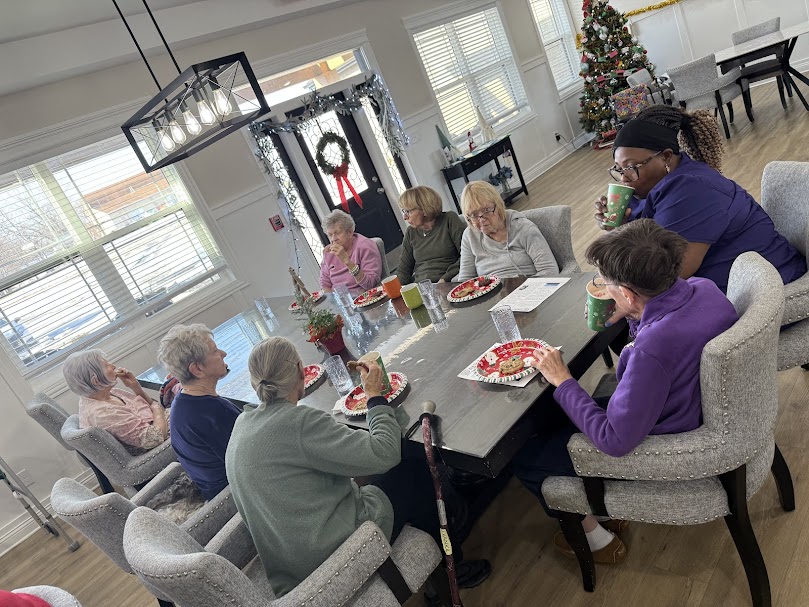
Two Hearts Home for Seniors serves the Northwest Indiana community with two locations — one in Lowell and one in Crown Point — offering small-scale, deeply personal assisted living and memory care. With a maximum of 16 residents per home and one of the highest caregiver-to-resident ratios in the industry, Two Hearts is specifically designed to provide the kind of attentive, around-the-clock care that wandering seniors need.
Here’s what sets Two Hearts apart for families concerned about wandering:
1. A True Home Environment — Not a Facility
Two Hearts operates out of thoughtfully designed, single-level ranch-style homes. The residential scale reduces the disorientation and anxiety that large institutions can create in dementia patients — and makes it far easier for staff to monitor residents at all times. There are no long, confusing corridors or large communal spaces where a resident can disappear unnoticed.
2. Highest Caregiver-to-Resident Ratios in the Industry
With a ratio of 1 caregiver for every 5 to 7 residents during daytime hours, Two Hearts staff have the capacity to provide attentive, individualized supervision that the staffing models at larger facilities simply cannot match. Every resident is known — their habits, their moods, their routines — which means wandering warning signs are caught early.
3. Personalized Care at Every Level
Two Hearts provides an all-inclusive flat monthly fee regardless of the level of care needed. Families don’t have to worry about escalating costs as memory care needs increase. Care plans are personalized, and everything from meal preferences to daily activities is tailored to each resident’s individual needs and comfort.
4. On-Site Medical Support
A doctor or nurse practitioner visits each home twice a month and remains available to staff and families by phone at all times. For families managing the complex medical picture of a loved one with dementia, this level of medical accessibility is invaluable.
5. Transparent Family Communication
Multiple families have noted that what they appreciate most about Two Hearts is how well the team keeps them informed. When you have a loved one with wandering behaviors, peace of mind for the family depends on trust and communication — and Two Hearts has built a reputation for exactly that.
Serving Northwest Indiana: Crown Point, Lowell, and Surrounding Communities
Two Hearts Home for Seniors has two convenient locations serving families across Lake and Jasper counties and the greater NW Indiana region:
- Lowell, IN — The original Two Hearts home, serving the community for nearly five years
- Crown Point, IN — A newer location bringing the same warm, residential-scale approach to the Crown Point community
Families from Merrillville, Schererville, Dyer, St. John, Valparaiso, Chesterton, and surrounding areas frequently choose Two Hearts for their loved ones. If you’re searching for memory care or assisted living for a senior who wanders — anywhere in Northwest Indiana — Two Hearts is worth a visit.
Frequently Asked Questions
1. At what point should I move a loved one with wandering behavior into memory care?
If your loved one has wandered outside your home even once, it’s time to seriously evaluate memory care options. Many families wait until after a frightening incident — a middle-of-the-night disappearance, a call from a neighbor, or a police welfare check. The safer path is to have the conversation before a crisis occurs.
2. What’s the difference between assisted living and memory care for wandering seniors?
Standard assisted living supports seniors who need help with daily activities but are cognitively intact enough to be safe in a less structured environment. Memory care is specifically designed for individuals with Alzheimer’s, dementia, or other cognitive impairments — including those who wander. Memory care environments typically include secured doors, higher staff ratios, and staff trained in dementia-specific behaviors.
3. Will my loved one be physically restrained to prevent wandering?
Reputable memory care homes do not use physical restraints. Instead, they use environmental design (secured exits, enclosed outdoor spaces), attentive staff, and behavioral interventions to keep residents safe. Wandering is managed through supervision and redirection, not restriction.
4. How do I know if a facility is truly safe for a senior who wanders?
Ask directly: What is your staff-to-resident ratio overnight? What happens if a resident attempts to leave? How do you alert families when a wandering incident occurs? How many residents do you have, and how many staff are on duty at each shift? A quality facility will answer these questions transparently and confidently.
5. Does Two Hearts Home for Seniors accept residents with advanced dementia?
Two Hearts provides memory care and assisted living for seniors at varying stages of cognitive decline. For specific care needs and availability, we encourage families to call and speak directly with the Two Hearts team to determine the best fit.
Take the Next Step: Schedule a Tour at Two Hearts Home for Seniors
If you’re a family in Northwest Indiana searching for assisted living or Crown Point memory care for a loved one who wanders, we invite you to come see Two Hearts for yourself. Walk through the home. Meet the caregivers. Ask every question on your mind.
Our Lowell and Crown Point locations are accepting inquiries. Call us at (219) 600-2200 or visit twohearts.care to schedule your personal tour today.